Mnangagwa’s Constitutional Changes Raise Fresh Questions About Democracy as Eswatini’s Close Alliance with Zimbabwe Comes Under Scrutiny
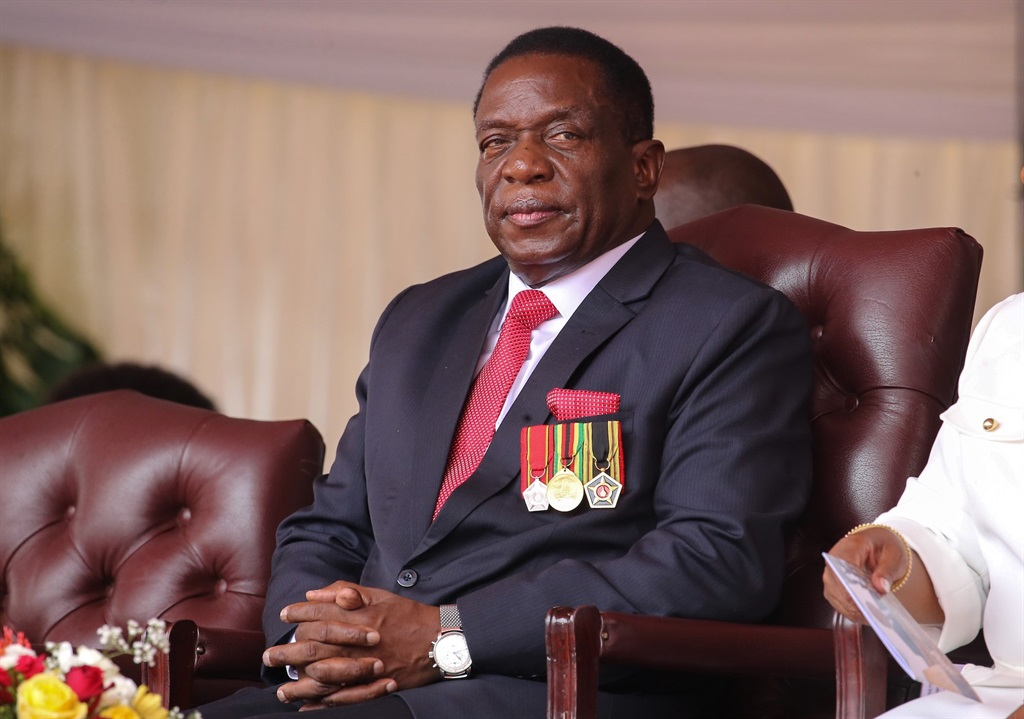
Zimbabwean President Emmerson Mnangagwa has signed constitutional amendments that extend presidential and parliamentary terms from five to seven years, effectively allowing him to remain in office until 2030. The legislation, now published as Act 6 of 2026, also introduces controversial provisions that would allow future presidents to be elected by Parliament rather than through a direct vote by citizens.
The constitutional changes represent one of the most significant political developments in Zimbabwe since the adoption of the country’s 2013 Constitution. While the government argues that the reforms will improve governance and provide political stability, opposition parties, civil society organisations, and constitutional experts have condemned the amendments as a dangerous step backwards for democracy. Several opposition groups have already announced plans to challenge the legislation before Zimbabwe’s Constitutional Court.
The developments are likely to resonate far beyond Zimbabwe’s borders, particularly in neighbouring Eswatini, where King Mswati III maintains close political and diplomatic ties with President Mnangagwa.
For years, the two leaders have enjoyed a warm relationship, often appearing together at regional summits and state functions. Their governments have consistently supported one another on sensitive political issues, even as both administrations have faced criticism from human rights organisations over governance, political freedoms, and democratic accountability.
The latest constitutional changes in Zimbabwe are therefore unlikely to be viewed in isolation. They reinforce growing concerns across Southern Africa about the gradual weakening of democratic institutions in countries where power is increasingly concentrated in the hands of political elites.
In Eswatini, where political parties remain excluded from national elections and the King exercises executive authority as Africa’s last absolute monarch, the Zimbabwean developments will inevitably invite comparisons.
While Zimbabwe continues to hold elections, critics argue that extending presidential terms and reducing the role of direct public participation weakens democratic accountability. In Eswatini, citizens have long argued that they have been denied meaningful political participation altogether under the Tinkhundla system.
The similarities are difficult to ignore.
Across the region, governments frequently justify constitutional or legal changes in the name of stability, national development, or continuity. Yet history shows that when constitutions are amended primarily to preserve political power rather than strengthen democratic institutions, public trust often deteriorates and political divisions deepen.
Another aspect attracting attention is the increasingly close relationship between influential Zimbabwean business figures and Eswatini’s ruling establishment.
Recent reports that controversial Zimbabwean businessman Wicknell Chivayo was granted Eswatini citizenship have raised fresh questions about the growing political and business connections between powerful elites in the two countries.
Although governments have the legal authority to grant citizenship, critics argue that such decisions deserve greater transparency when they involve politically connected individuals whose business dealings have generated significant public controversy.
These developments contribute to a broader perception that political and economic elites across parts of Southern Africa are becoming increasingly interconnected, often operating beyond meaningful public scrutiny.
For democracy advocates, this trend is deeply concerning.
When influential political leaders maintain close alliances while simultaneously introducing constitutional changes that consolidate executive authority, concerns naturally arise about the future of democratic governance across the region.
Eswatini’s relationship with Zimbabwe therefore extends beyond diplomatic cooperation.
It reflects a broader political alignment between governments that have frequently resisted calls for deeper democratic reforms while emphasising stability and state control.
As Zimbabwe enters a new constitutional era under President Mnangagwa, attention will not only focus on Harare but also on the regional implications of these reforms.
For many democracy activists, the question is no longer whether constitutional changes can extend political power.
The real question is whether Southern Africa is witnessing the gradual normalisation of constitutional engineering designed to entrench ruling elites while limiting citizens’ ability to determine their own political future.
The close relationship between King Mswati and President Mnangagwa, together with the growing political and business links between influential figures in both countries, is likely to intensify debate about governance, accountability, and democratic reform throughout the region.
Ultimately, constitutions are meant to protect the rights of citizens, not the longevity of those in power. When constitutional amendments are widely perceived as serving political interests rather than the public interest, they risk undermining the very legitimacy they are intended to preserve.