LOW-PAID CIVIL SERVANTS LEFT BEHIND AS ESWATINI SALARY REVIEW EXCLUDES THOSE EARNING BETWEEN R4,000 AND R6,000
The latest public service salary review in Eswatini has triggered fresh questions about inequality, fairness, and the government’s commitment to protecting the lowest-paid workers after it emerged that civil servants earning between R4,000 and R6,000 were excluded from salary adjustments and received no backpay.
The decision has raised concern among workers who argue that those at the bottom of the salary scale are the ones most affected by the rising cost of living and should have been prioritised during any salary review process.
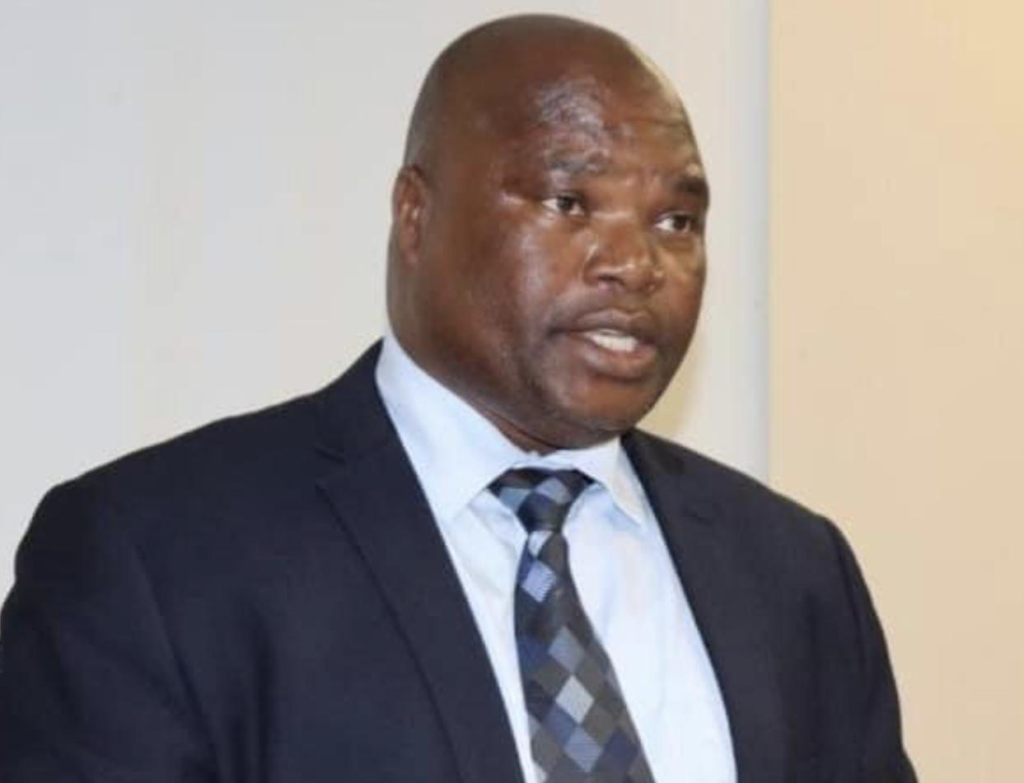
Mayiwane Member of Parliament Sicelo “KhungaNkhosi” Dlamini has challenged Public Service Minister Mabulala Maseko over the exclusion of these low-income civil servants, demanding an explanation on why workers earning the least were left out.
The MP’s concerns reflect a wider frustration among public servants who continue to struggle with inflation, increasing food prices, transport costs, electricity bills, and the general cost of survival.
For many government employees, salaries are no longer enough to meet basic household needs.
The exclusion of workers earning between R4,000 and R6,000 raises serious questions about whose interests government salary policies are designed to protect.
A salary review should primarily provide relief to those who are most vulnerable. Yet once again, the lowest-paid workers appear to have been overlooked.
This situation highlights a deeper economic crisis facing ordinary emaSwati.
While government officials and political leaders debate budgets, allowances, and development plans, thousands of workers on the lower end of the public service salary structure are forced to make impossible choices between food, transport, healthcare, and education.
A worker earning R4,000 or R6,000 per month is not simply dealing with financial pressure. They are dealing with a survival crisis.
The issue becomes even more concerning when compared with the lifestyle and benefits enjoyed by senior government officials and political leaders.
Eswatini has repeatedly been criticised for maintaining high levels of inequality, where a small political elite enjoys significant privileges while ordinary workers struggle to improve their living conditions.
The exclusion of low-income civil servants from salary adjustments reinforces perceptions that the government is disconnected from the daily realities of the people it claims to serve.
Workers are not asking for luxury.
They are asking for dignity.
They are asking for salaries that allow them to provide for their families without constantly falling into debt.
They are asking for a government that understands that public servants are not just numbers on a payroll but human beings facing the same economic pressures affecting the entire nation.
The Public Service Ministry now faces pressure to explain the reasoning behind the decision and whether there are plans to address the concerns raised by affected workers.
The government must also explain whether the salary review process considered the actual cost of living faced by lower-income employees.
A country cannot claim to be pursuing development while ignoring the struggles of the people who keep its institutions running.
Teachers, cleaners, administrative workers, security personnel, and other lower-paid civil servants play a critical role in maintaining government services. Their contribution should not be measured by their salary level but by the importance of their work.
The debate around salary reviews also exposes the limitations of Eswatini’s current economic model.
For decades, citizens have been promised improved living standards and economic transformation. However, many workers remain trapped in low wages while the cost of living continues to rise.
This is why issues such as salary adjustments, workers’ rights, and fair remuneration remain central to the broader call for economic and political reform.
The question facing the government is simple:
If those earning the least are not prioritised during salary reviews, who exactly is the system working for?
For many emaSwati, the answer will determine whether government policies are truly aimed at improving the lives of ordinary citizens or simply maintaining a system where the powerful continue to benefit while workers struggle.