A GOVERNMENT AFRAID OF ITS PEOPLE: WHY ARE EMASWATI BEING DENIED PASSPORTS?
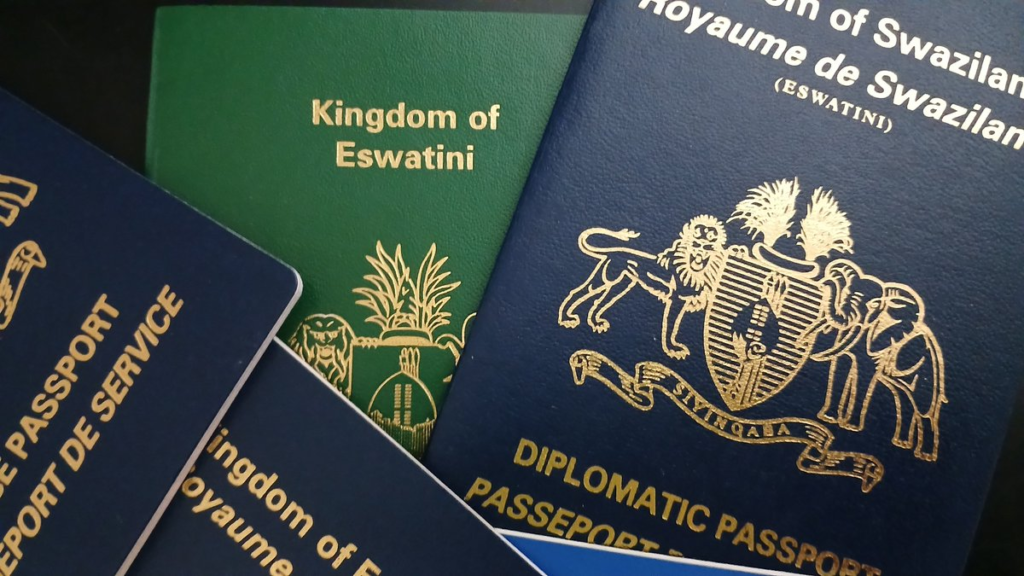
One of the clearest signs that a country is failing its citizens is when people begin leaving in large numbers in search of dignity, opportunity, and survival elsewhere.
That appears to be the reality unfolding in Eswatini today.
As economic hardships deepen and unemployment continues to suffocate families across the country, growing numbers of emaSwati are seeking opportunities abroad. From Ireland and Canada to the United Kingdom and other destinations, citizens are increasingly looking beyond the country’s borders for a future they can no longer find at home.
Instead of addressing the conditions driving this migration, the government appears to be making it more difficult for citizens to obtain passports.
Reports from applicants suggest that obtaining a passport is becoming an increasingly frustrating and humiliating process. Citizens say they are subjected to intense questioning about their travel plans and, in some cases, required to explain verbally and in writing why they wish to leave the country.
Such practices raise serious concerns about freedom of movement and the relationship between citizens and the state.
A passport is not a privilege granted at the discretion of political authorities. It is a fundamental document that allows citizens to exercise their right to travel.
When governments begin treating citizens as suspects simply because they wish to cross borders, deeper questions emerge.
What exactly is the government afraid of?
The Ministry of Home Affairs has attempted to justify the restrictions through a series of public statements. Yet those explanations have done little to ease growing frustration among citizens who increasingly view the passport system as opaque, arbitrary, and vulnerable to abuse.
Many now fear that access to passports may eventually depend not on eligibility but on connections, influence, and who one knows within the system.
That perception alone should alarm policymakers.
A government confident in its performance does not fear citizens traveling abroad.
A government confident in its economy does not panic when people seek opportunities elsewhere.
A government confident in its future does not create obstacles for those exercising basic rights.
The truth is far more uncomfortable.
People are leaving because they are struggling.
For years, the monarchy and government have spoken about development, economic growth, and national progress. Yet many citizens continue to face unemployment, rising living costs, inadequate public services, and limited economic opportunities.
The gap between official rhetoric and lived reality has become impossible to ignore.
Wandile Dludlu, Deputy President of the People’s United Democratic Movement (PUDEMO), argues that the passport restrictions are evidence of a state struggling to contain the consequences of its own failures.
According to Dludlu, migration patterns have changed dramatically. In the past, men often travelled to South Africa to work in mines. Today, economic hardship is forcing entire families, including women and young professionals, to seek opportunities across the world.
His observation reflects a painful reality.
When educated young people leave, when skilled workers leave, when nurses, teachers, and graduates leave, they are casting a vote of no confidence in the country’s future.
The monarchy may not like that message, but it cannot suppress it by restricting passports.
The deeper problem is not migration.
The deeper problem is why so many people feel compelled to migrate.
No citizen abandons family, culture, and homeland lightly. Most would prefer to build successful lives in Eswatini if opportunities existed.
But opportunities cannot be created through speeches.
They require jobs.
They require investment.
They require accountable governance.
They require a political system that allows citizens to participate meaningfully in shaping their future.
Instead, Eswatini remains trapped under an absolute monarchy where power is concentrated in a small elite while ordinary citizens bear the burden of economic decline.
The passport crisis is therefore about far more than travel documents.
It is about a government attempting to manage the symptoms of failure instead of addressing the causes.
If the monarchy truly wants to stop the exodus of emaSwati, it should stop restricting passports and start creating conditions that make people want to stay.
People are not leaving because they hate Eswatini.
They are leaving because they are running out of hope.
And no amount of questioning at passport offices can hide that reality.