WHY IS KING MSWATI SPENDING R12 MILLION ON DIPLOMATIC SHOWS WHILE EMASWATI SUFFER?
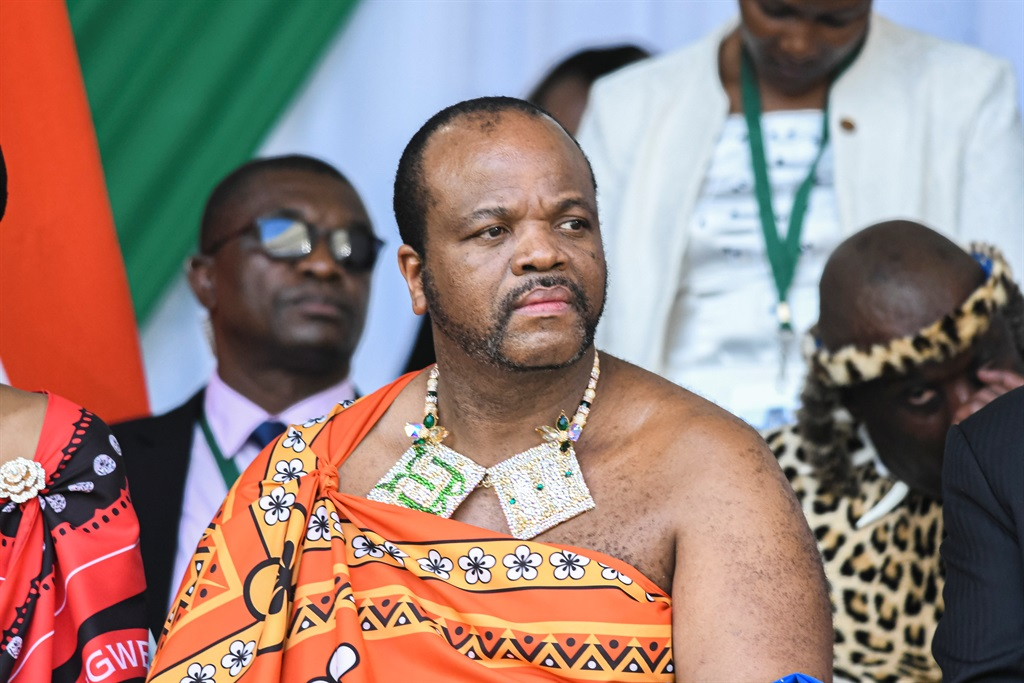
A disturbing question is emerging from the latest revelation surrounding the planned hosting of the Organization of African, Caribbean and Pacific States (OACPS) Parliamentary Meeting in Eswatini.
Why is King Mswati willing to commit millions of public funds to international prestige projects while ordinary emaSwati continue to struggle with poverty, unemployment, collapsing public services, and a rising cost of living?
According to reports, the King allegedly committed Eswatini to host the OACPS Regional Parliamentary Group Meeting during an international summit in Equatorial Guinea without first ensuring that the costs had been budgeted for. The result is that Members of Parliament are now reportedly being pressured to urgently approve R12 million to fund the event, despite the expenditure not having been included in the National Budget or gazetted through the Appropriation Act of 2026.
If true, this raises serious questions about governance, accountability, and priorities.
In a functioning democracy, public spending follows established procedures. Government departments submit budget requests, Parliament debates them, and citizens have some level of oversight regarding how their money is spent.
In Eswatini, however, the process often appears to operate in reverse.
A decision is made at the top.
Government institutions are then expected to find the money afterward.
Parliament is reduced to rubber-stamping decisions that have already been taken elsewhere.
This is one of the fundamental weaknesses of absolute monarchy. When power is concentrated in one office, national priorities can become indistinguishable from personal or political ambitions.
The government argues that hosting international conferences enhances Eswatini’s diplomatic visibility and strengthens international partnerships. That may be true.
But diplomatic visibility does not fill empty stomachs.
International prestige does not stock hospitals with medicine.
Foreign delegates do not solve the passport crisis affecting thousands of citizens.
Conference halls do not create jobs for unemployed graduates.
Across the country, emaSwati are confronting harsh realities. Public hospitals frequently face shortages of drugs and equipment. Schools struggle with inadequate resources. Teachers and public servants fight over salaries and benefits. Rural communities continue to battle poverty and underdevelopment.
Against this backdrop, asking taxpayers to fund another expensive international gathering appears deeply disconnected from reality.
The issue is not necessarily whether international engagement is important. Every nation must maintain diplomatic relationships and participate in regional and global affairs.
The real issue is priorities.
How can a government justify spending R12 million on hosting foreign delegates when many citizens cannot access basic services?
How can Parliament be expected to approve expenditure outside the original budget while communities continue to face urgent social and economic challenges?
The controversy also highlights a broader pattern that critics have repeatedly raised.
This is not the first time significant financial commitments have reportedly been made without meaningful consultation. Reports indicate that previous international commitments involving tens of millions of emalangeni were undertaken without proper public debate or parliamentary scrutiny.
Each time, ordinary citizens are expected to absorb the costs.
Each time, accountability remains elusive.
Each time, those who question the spending are told to focus on national prestige rather than practical outcomes.
Yet prestige cannot be measured by the number of conferences hosted.
A country’s reputation is built on the quality of life enjoyed by its citizens.
A nation earns respect when its people have access to healthcare, education, employment, justice, and opportunity.
A nation earns respect when public funds are managed transparently and in accordance with the law.
A nation earns respect when leaders place citizens before ceremonies.
The tragedy of Eswatini is that enormous energy is often devoted to maintaining appearances while the realities facing ordinary people continue to deteriorate.
King Mswati may view hosting the OACPS Parliamentary Meeting as an opportunity to elevate Eswatini’s profile on the international stage.
But for many emaSwati struggling to pay school fees, buy food, secure medical treatment, or find employment, the question remains painfully simple:
Why is there always money for prestige projects, but never enough money for the people?