BESIGYE COLLAPSES IN CHAINS: AFRICA MUST STOP TURNING PRISONS INTO GRAVEYARDS FOR THOSE WHO DARE CHALLENGE POWER
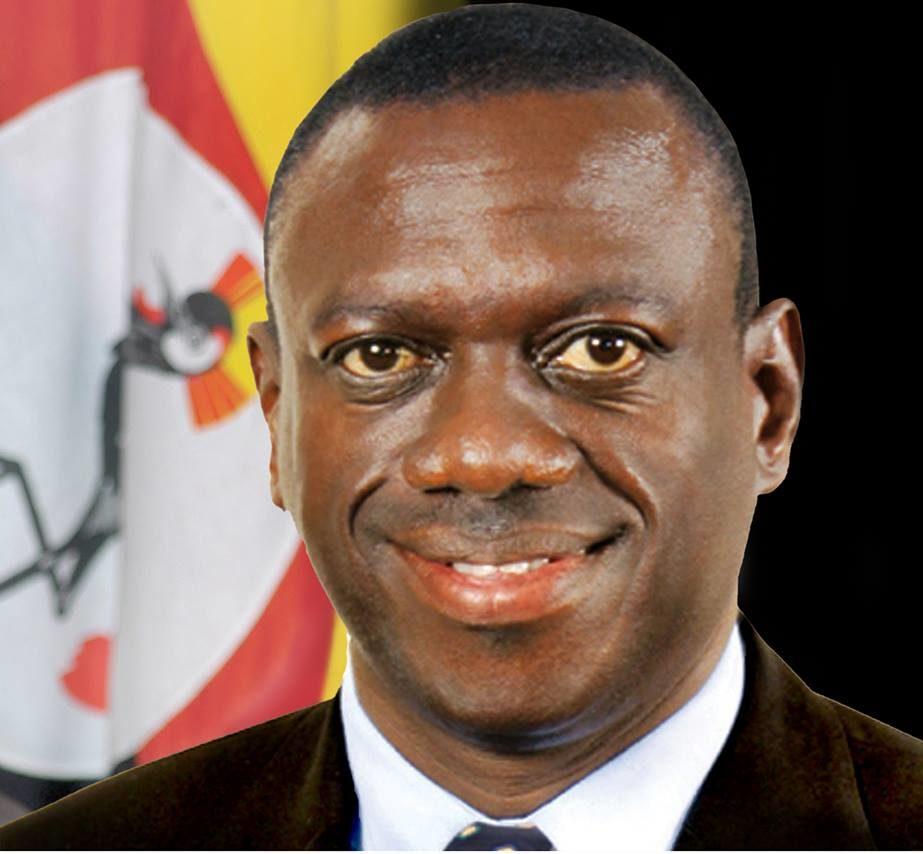
There comes a moment when silence stops being neutrality and becomes complicity. The reported collapse of detained Ugandan opposition leader Kizza Besigye in court, followed by his admission to intensive care in an unresponsive state, must shake every African who still believes that political disagreement should never become a death sentence. According to his wife Winnie Byanyima, Besigye was unconscious, unable to speak and unresponsive after collapsing during his treason trial. He was admitted to Mulago National Referral Hospital in Kampala, while his family pushed for him to be transferred to a private facility where his personal doctor could participate in his treatment.
This is bigger than Uganda. It speaks directly to a disease that has poisoned African politics for generations: leaders treating political opponents as enemies of the State simply because they challenge those in power.
Besigye has been detained since November 2024 after being taken into custody with his aide Obeid Lutale in Kenya and returned to Uganda, where they were subsequently charged with treason. His lawyers, supporters and human rights activists have maintained that the charges are politically motivated and form part of a wider crackdown against opponents of President Yoweri Museveni. The Ugandan authorities accuse Besigye of serious offences, allegations that must ultimately be determined through a credible legal process.
But what kind of democracy watches a 70-year-old political opponent collapse in a courtroom after spending more than a year behind bars and simply carries on?
For us in Eswatini, this story should feel painfully familiar. We know what happens when political disagreement is criminalised. We have watched elected representatives Bacede Mabuza and Mthandeni Dube imprisoned after demanding democratic reforms. We have watched voices calling for political change forced into exile. We have learnt that once rulers convince themselves that demanding democracy is an attack against the State, prisons become political weapons and fear becomes an instrument of governance.
That is why what is happening to Besigye cannot be dismissed as Uganda’s internal affair.
Africa cannot continue producing governments that proudly speak about sovereignty when challenged internationally but suddenly forget that sovereignty belongs first to the people. A government is not a country. A president is not a country. A king is not a country. The people are the country.
Besigye’s family reportedly does not trust the government hospital and requested his transfer, while Al Jazeera reported frustration that permission had not been granted at that stage. His wife said that before collapsing, Besigye cried out that he was being injured. These are grave claims requiring transparency, independent scrutiny and immediate attention to his health and rights.
No political prisoner should have to collapse before Africa starts paying attention.
Whether in Kampala, Mbabane, Harare or elsewhere on this continent, political leaders must understand one basic truth: you cannot imprison an idea. You can arrest an opposition politician, shut down a newspaper, intimidate activists, force critics into exile and surround yourself with armed security, but you cannot permanently imprison a population’s desire for dignity and political freedom.
Besigye must receive the medical care his condition requires and the legal rights owed to every accused person.
And Africa must ask itself an uncomfortable question: how many more opposition leaders must enter prisons, courtrooms and hospitals before we finally accept that disagreement with those in power is not treason?
Democracy is not a favour granted by rulers.
It belongs to the people.