KING MSWATI’S R50 MILLION PAY RISE IS AN INSULT TO STRUGGLING EMASWATI
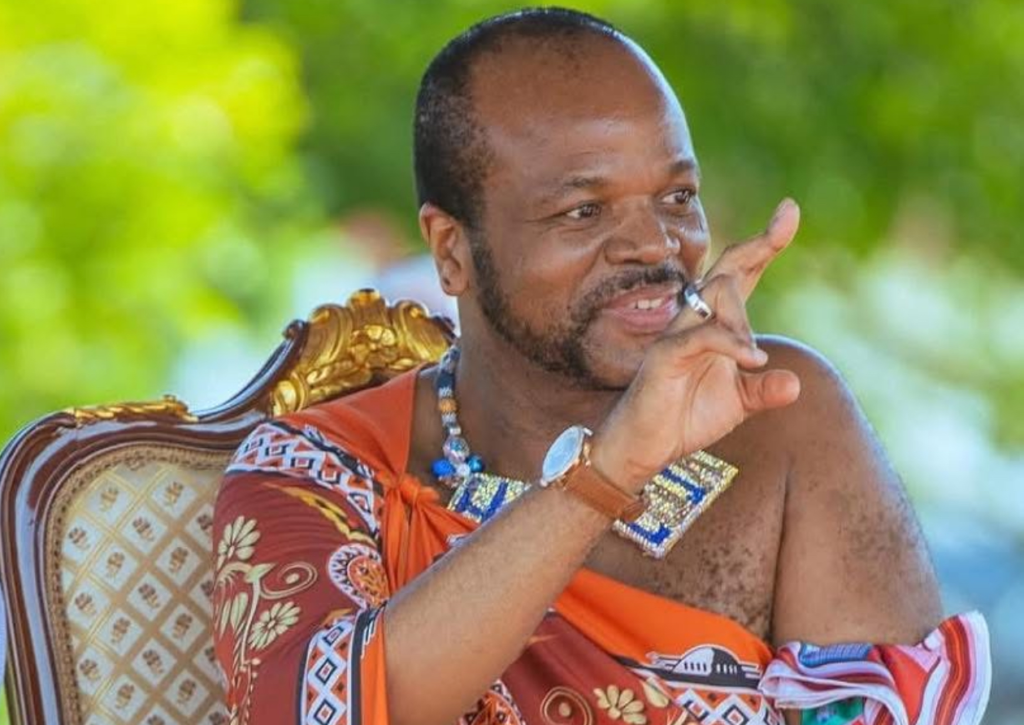
Reports that King Mswati’s salary has been increased by R50 million for the 2026/27 financial year have once again exposed the staggering gap between the ruling elite and ordinary emaSwati.
According to The Nation Magazine, edited by veteran journalist Bhekithemba Makhubu, the King’s remuneration package has received a massive increase at a time when the majority of citizens are battling poverty, unemployment, and rising living costs. If the report is accurate, the increase will further fuel criticism of a monarchy that many believe has become increasingly disconnected from the daily struggles of its people.
The timing could not be worse.
Eswatini remains one of the most unequal countries in the world. Approximately 70 percent of the population lives below the poverty line. Across the country, families struggle to put food on the table. Young people with qualifications cannot find jobs. Public hospitals face shortages of medicines and equipment. Schools lack adequate resources. Thousands of citizens are leaving the country in search of opportunities abroad because they see little hope at home.
Against this backdrop, a R50 million increase for one individual is difficult to justify.
The monarchy often speaks about national development, sacrifice, and economic growth. Citizens are regularly told that resources are limited and that government must make difficult decisions. Public servants are urged to tighten their belts. Teachers fight for better salaries. Nurses complain about poor working conditions. Pensioners struggle to survive on modest incomes.
Yet somehow there always seems to be money available when it comes to the monarchy.
This is the fundamental problem with absolute rule. There is no meaningful public scrutiny over royal spending. There is no competitive political system through which citizens can challenge these priorities. Parliament is largely expected to endorse decisions that have already been made elsewhere, and ordinary emaSwati have little say over how national resources are allocated.
The issue is not merely about the King’s salary. It is about priorities.
What does it say about a country when a ruler receives a massive increase while hospitals struggle to purchase medicine? What message does it send to unemployed graduates who spend years searching for work? How are citizens expected to react when they hear that millions can be found for royal expenses while basic services remain underfunded?
Supporters of the monarchy may argue that the King represents the nation and that his office requires substantial resources. However, representation should come with responsibility. Leadership should be measured not by personal wealth or lavish spending but by the living conditions of the people.
A leader cannot credibly speak about poverty reduction while presiding over extravagant expenditure that appears disconnected from the realities facing ordinary citizens.
The report also raises broader questions about transparency. Citizens deserve to know how public funds are being spent, how royal budgets are determined, and why increases of this magnitude are considered necessary during difficult economic times.
In democratic societies, such decisions are subjected to intense public debate. Governments must justify spending choices to voters. Leaders know that citizens can remove them if they fail to prioritize public needs.
Eswatini’s political system offers no such accountability.
That is why reports of royal extravagance continue to generate anger among many citizens. The issue is not jealousy. It is fairness.
People are not asking for luxury. They are asking for decent healthcare, quality education, employment opportunities, reliable public services, and a chance to build better lives for their families.
As long as the majority of emaSwati remain trapped in poverty while the monarchy continues to expand its privileges, criticism will not disappear. In fact, it will grow louder.
A nation’s greatness should not be measured by the wealth of its King.
It should be measured by the wellbeing of its people.
And until the lives of ordinary emaSwati improve, reports of another R50 million increase will be viewed not as a symbol of national progress, but as a painful reminder of how far removed the country’s rulers have become from the people they claim to serve.