FIRST WORLD FOR WHO? BENEDICT XABA’S NDZINGENI CLAIM INSULTS EMASWATI LIVING THE REALITY OF POVERTY
Sometimes those occupying powerful offices make statements so detached from ordinary people’s lives that one has to ask whether we are living in the same Eswatini.
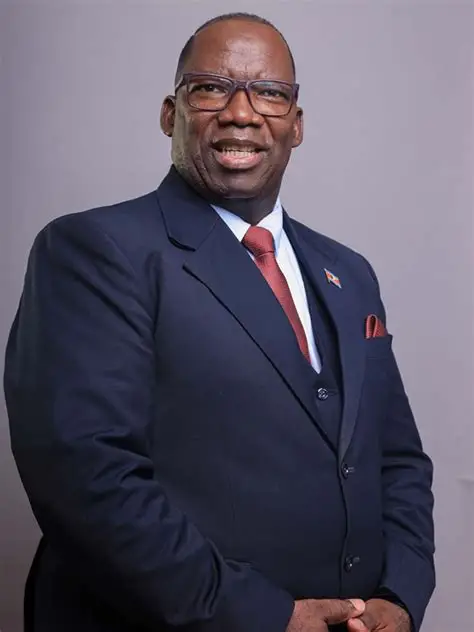
Clerk to Parliament Benedict Xaba reportedly told residents during Parliament’s “Taking Parliament to the People” programme that his research had established that Ndzingeni Inkhundla had attained “First World Status” and that people there were living a better life.
First World?
In Eswatini?
Before celebrating this supposed economic miracle, Parliament should publish Xaba’s research.
Let emaSwati see the methodology. Let us see the households surveyed, income levels measured, employment figures, access to running water, sanitation, electricity, healthcare, decent housing, roads and economic opportunities. Let independent researchers examine whatever criteria transformed Ndzingeni into this alleged island of First World prosperity.
Because extraordinary claims require evidence.
The official picture of Eswatini is considerably less glamorous.
The World Bank says poverty remains “entrenched” in the Kingdom. Its latest country overview estimates that 54% of the population lived below the $4.20-per-day lower-middle-income poverty line in 2025. It also reports severe inequality and says youth unemployment reached 56% in 2023.
Overall unemployment was estimated at 34.2% in 2025.
Even the World Bank’s Poverty and Equity Brief records that the national poverty rate was 58.9% in the most recent household survey it discusses, with poverty reaching 69% in rural areas.
Those are not figures describing a First World society.
Of course, Ndzingeni could have experienced meaningful improvements. New roads, electrification, water projects, schools or other developments should be recognised where they genuinely improve people’s lives.
But development is not measured by speeches.
It is measured at the dinner table.
It is measured by whether a mother can feed her children tonight.
It is measured by whether a young graduate can find work without knowing someone politically connected.
It is measured by whether an elderly woman has clean running water rather than carrying a bucket over a long distance.
It is measured by whether families can obtain healthcare without choosing between treatment and food.
And it is measured by whether economic progress reaches ordinary citizens instead of existing primarily in government ceremonies and official speeches.
What makes Xaba’s reported statement particularly troubling is his position. Parliament’s own website identifies Benedict Xaba as its Clerk and controlling officer, responsible for policy implementation, monitoring and evaluation and overall policy guidance for Parliament’s day-to-day administration.
A person occupying such an institutionally important office should therefore understand the importance of evidence.
If Ndzingeni has genuinely achieved development outcomes comparable with wealthy advanced economies, publish the research and allow scrutiny.
If “First World Status” was merely political rhetoric, then emaSwati deserve better.
For too long, our people have been expected to applaud announcements while poverty follows them home.
We are told development is happening.
We are told the country is progressing.
We are told people are living better.
Meanwhile, families know what is inside their refrigerators. Young people know how many job applications they have submitted. Rural communities know whether water comes from a tap or a river. Parents know whether their wages survive until month-end.
You cannot declare poverty out of existence from a podium.
You cannot transform an Inkhundla into Switzerland with a microphone.
And you cannot tell struggling people that they have reached the First World and expect their empty pockets to suddenly believe you.
If Ndzingeni is the success story Benedict Xaba says it is, show us the evidence.
Until then, the question remains devastatingly simple:
First World Status for who?