RELEASED MP MTHANDENI DUBE GAGGED AFTER ROYAL APOLOGY
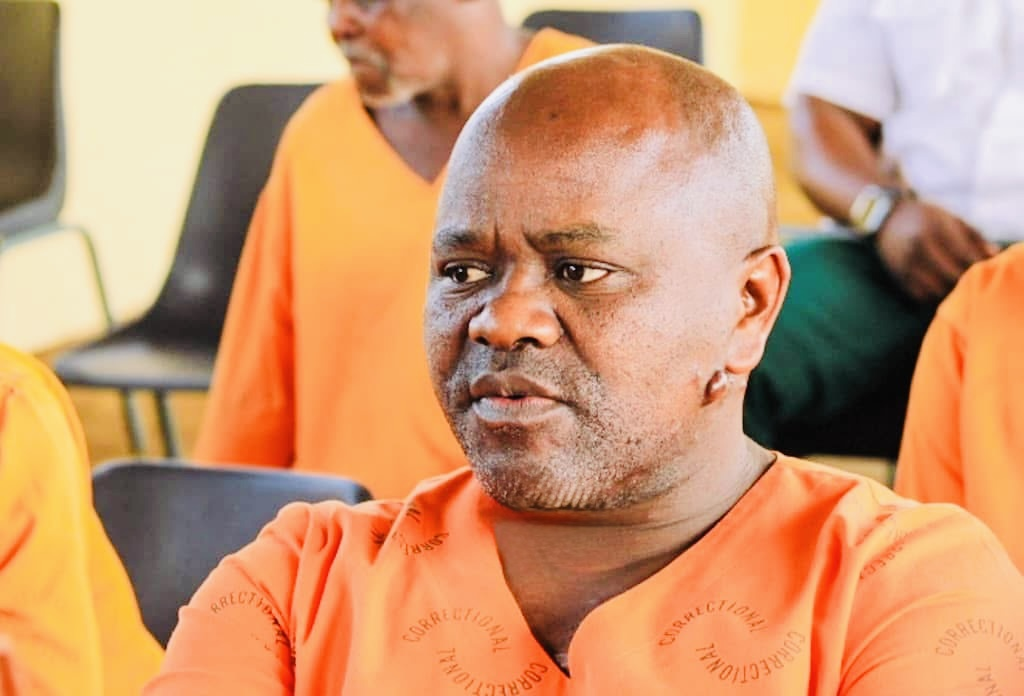
Released pro-democracy Member of Parliament Mthandeni Dube has been warned against participating in political activities and posting on social media, exposing the true cost of his freedom under Eswatini’s absolute monarchy.
Dube was released on Tuesday morning after apologising to King Mswati III, ending his time in prison but entering a new phase of political silence and restriction. Sources familiar with the conditions of his release say the MP has effectively been placed under an informal political gag, barred from activism, mobilisation, and public commentary.
The warning has confirmed fears long held by human rights defenders that the so-called release of political prisoners in Eswatini is often conditional, transactional, and designed to neutralise dissent rather than uphold justice. While Dube is now physically free, his political rights appear to have been stripped away.
Dube was arrested and imprisoned for demanding democratic reforms in a country where political parties are banned and Parliament has no real power. Alongside MP Mduduzi Bacede Mabuza, he was charged with terrorism and other serious offences simply for representing the political will of the people. Their imprisonment was widely condemned by international human rights organisations as politically motivated.
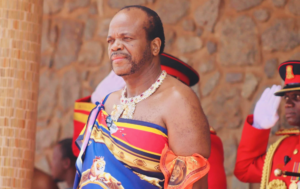
His release followed mounting international pressure on the monarchy, particularly after the United Nations Human Rights Council Working Group ruled that the detention of Dube and Mabuza was arbitrary and violated international law. But instead of complying fully with the ruling, the regime opted for a partial and calculated response: releasing Dube only after extracting an apology to the King.
Now, the warning against political participation and social media use has laid bare the true intention behind the pardon. Dube’s freedom is conditional on silence. He may walk outside prison walls, but he is not allowed to speak, organise, or challenge power.
Political analysts say this tactic is consistent with how the Tinkhundla system operates. The monarchy does not rehabilitate political prisoners; it breaks them. Apologies are demanded not as acts of reconciliation, but as tools of humiliation meant to delegitimise the struggle for democracy. Silence is then enforced to ensure that released activists do not reignite resistance.
The restrictions imposed on Dube also raise serious legal and constitutional questions. As an elected Member of Parliament, he has a duty to represent his constituents, speak on their behalf, and participate in public debate. Barring him from political activity undermines the very essence of representation and confirms that Parliament exists at the pleasure of the King, not the will of the people.
Human rights groups argue that a release conditioned on silence is not a release at all. It is continued punishment by other means. They warn that accepting such conditions normalises repression and sends a chilling message to other MPs and activists: freedom comes only if you abandon your principles.
Dube’s case also sharpens focus on the continued imprisonment of MP Mduduzi Bacede Mabuza, who remains behind bars for refusing to apologise. While Dube has been freed but silenced, Mabuza remains jailed but unbroken. Together, their situations expose the monarchy’s strategy of divide, intimidate, and control.
For many emaSwati, the warning issued to Dube confirms that nothing has fundamentally changed. The regime is not reforming; it is adapting. It is learning how to manage international pressure while maintaining total control at home.
Mthandeni Dube’s release should have been a victory for justice. Instead, it has become another reminder that under absolute monarchy, freedom is conditional, speech is dangerous, and democracy remains a crime.