PM RUSSELL DLAMINI ACCUSED OF SECRETLY DIVERTING R100 MILLION US PAYMENT
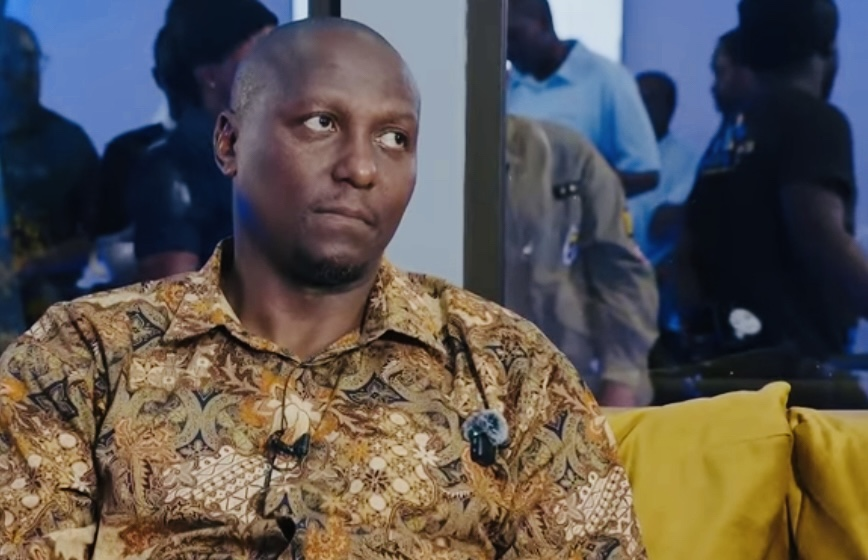
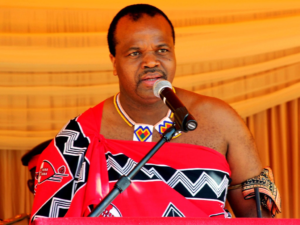
Prime Minister Russell Mmiso Dlamini is expected to face intense grilling in Parliament after allegedly transferring about R100 million received from the United States to the corruption-plagued National Disaster Management Agency without parliamentary or cabinet approval. The controversy threatens to deepen mistrust in an already fragile system of public financial accountability.
Sources say the money was paid by the United States government as a token of appreciation after Eswatini agreed to accept the relocation of dangerous criminals and immigrants previously convicted of serious crimes including murder and child rape. The arrangement itself sparked regional concern, but the manner in which the funds were handled has now ignited a fresh political storm.
A high-level investigation conducted by this publication revealed that Finance Minister Neal Rijikernberg confirmed in Parliament that approximately R100 million had been received from the United States. However, instead of routing the funds through the Ministry of Finance Treasury Department and incorporating them into the national fiscus, Prime Minister Russell Mmiso Dlamini allegedly directed that the money be transferred directly to the National Disaster Management Agency, which operates under the Deputy Prime Minister’s Office.
The transfer has raised immediate red flags. The NDMA is the very institution where Dlamini previously served as Chief Executive Officer. During his tenure there, the Auditor General Timothy Matsebula reportedly flagged about R200 million that could not be properly accounted for. Dlamini was summoned before Parliament’s Public Accounts Committee but allegedly failed to adequately clarify the audit queries.
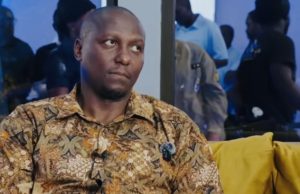
Legal experts now question whether history is repeating itself. According to human rights lawyer Sibusiso Nhlabatsi, the handling of the US funds appears highly irregular. He stated that, to the best of his knowledge, even the Finance Minister was not properly informed about the payment.
“It was highly irregular to have this money transferred to the NDMA,” said Nhlabatsi. “It was supposed to be held by the Ministry of Finance Treasury Department and incorporated into the national fiscus. As it stands, only the Prime Minister knows the motive behind transferring the money. It was also irregular for him to sign such a major agreement with the United States without the involvement of the Finance Minister. Now the money appears to be laundered outside the country’s fiscus.”
Further allegations suggest that the Prime Minister summoned Principal Secretaries across government ministries and instructed them to report directly to him rather than to their respective ministers. Observers describe this as a dangerous overreach that undermines administrative order and weakens institutional checks and balances.
The Principal Secretary in the Ministry of Finance, Vusie Dlamini, is reportedly implicated in facilitating the transfer. Sources claim he clashed with Finance Minister Neal Rijikernberg during a meeting inside the Cabinet Offices after allegedly aligning himself with the Prime Minister’s directive.
Acting Government Spokesperson Thabile Mdluli declined to comment, even as pressure builds for parliamentary debate. Lawmakers are expected to demand explanations about why funds tied to such a sensitive international agreement were moved without transparency.
The agreement between Eswatini and the United States reportedly stipulates that the R100 million would be used to strengthen immigration systems. If the funds were diverted elsewhere, critics argue, the Prime Minister may have violated not only domestic financial procedures but also the terms of the agreement itself.
As investigations continue, the final destination and purpose of the R100 million remain unclear. For a country grappling with poverty and strained public services, questions about financial integrity are not abstract. They strike at the heart of governance, accountability, and public trust.
Parliament now faces a defining moment: whether it will demand answers and enforce transparency, or allow yet another financial scandal to fade into silence.