MP SICelo DLAMINI WARNS AGAINST ELECTRICITY HIKES AS POVERTY BITES EMASWATI
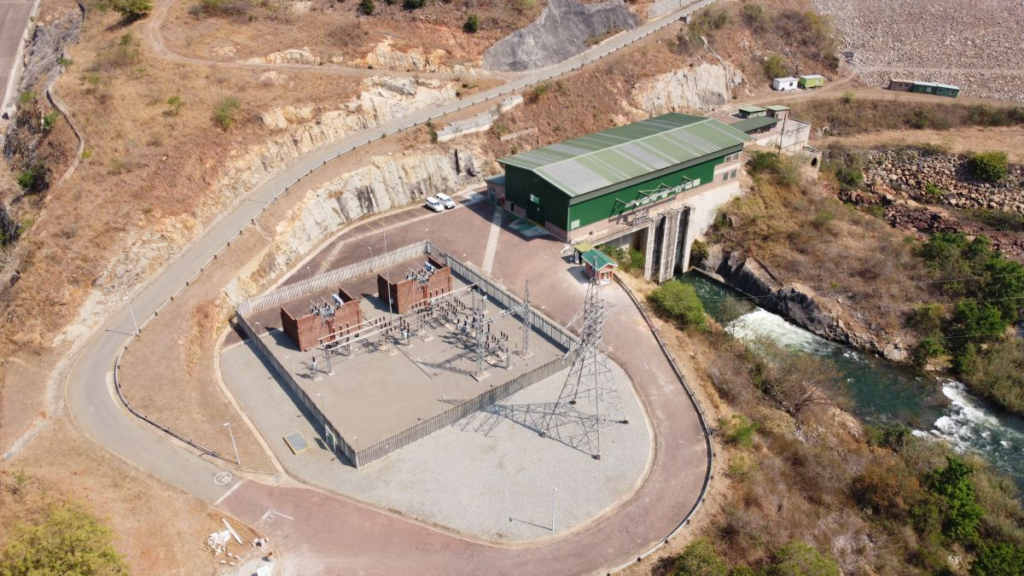
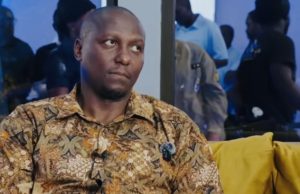
Mayiwane Member of Parliament Sicelo “KhungaNkhosi” Dlamini has spoken out strongly against the proposed increase in electricity tariffs, warning that such a move will further impoverish ordinary emaSwati who are already struggling to survive.
Speaking to this Swaziland News, the outspoken MP said the application by the Eswatini Electricity Company to increase electricity prices shows a dangerous disconnect between policy makers and the lived reality of the people. He stressed that most citizens are poor and simply cannot afford higher electricity bills.
“It shouldn’t be like only us who can afford are living in this country. A majority of the citizens are poor and therefore increasing electricity will worsen their situation,” said the MP. His remarks come at a time when households are already battling rising food prices, unemployment, and a collapsing public health system.
For many families in Eswatini, electricity is no longer a basic service but a luxury. In rural and peri-urban areas, people are forced to choose between buying food and keeping the lights on. Any increase, no matter how small it is presented, pushes vulnerable households closer to total desperation. MP Dlamini warned that approving such increases without considering the social impact is both irresponsible and cruel.
The MP said lawmakers must stop making decisions based purely on financial spreadsheets while ignoring human suffering. He argued that electricity is an essential service and should be treated as such, especially in a country where poverty levels remain extremely high. According to official figures, a large percentage of emaSwati live below the poverty line, surviving on informal work, remittances, or government handouts that are often delayed or insufficient.
Dlamini questioned why the burden of economic mismanagement is always shifted onto ordinary citizens instead of being absorbed by government inefficiencies and corruption. He said institutions like the electricity company should first address issues such as mismanagement, executive perks, and wastage before demanding more money from the public.
The proposed electricity increase has already sparked anger among citizens, many of whom feel abandoned by leaders who enjoy stable salaries and benefits. Critics argue that while politicians and senior officials can afford higher tariffs, the poor are left in darkness. For pensioners, child-headed households, and unemployed youth, electricity hikes translate directly into suffering.
The MP also warned that such decisions have long-term consequences. When electricity becomes unaffordable, people resort to unsafe alternatives such as firewood and candles, increasing the risk of fires, health problems, and environmental damage. Children struggle to study at night, small businesses close, and communities are pushed deeper into poverty.
Dlamini’s comments reflect a growing frustration within Parliament, where some MPs feel that public institutions are ignoring the social contract between the state and its people. He urged regulators and government officials to listen to the voices of the poor instead of prioritising profit and balance sheets.
In an absolute monarchy like Eswatini, decisions affecting millions are often made without meaningful public consultation. Electricity tariff increases, like many other economic policies, are imposed from the top with little regard for the daily struggles of citizens. MPs like Sicelo Dlamini argue that this approach is unsustainable and dangerous.
As the debate around electricity tariffs continues, the MP has made it clear that he will oppose any increase that fails to protect the poor. For him, the issue is not technical but moral. A country where the majority cannot afford basic services, he said, cannot talk about development or progress.
Unless government and its agencies rethink their approach, electricity hikes will only deepen inequality and fuel public anger. For ordinary emaSwati, the question remains simple: how are they expected to survive when even light has become unaffordable?