EDUCATION MINISTER EXPOSED USING QUEEN NTOMBI’S NAME TO FORCE UNIVERSITY APPOINTMENT
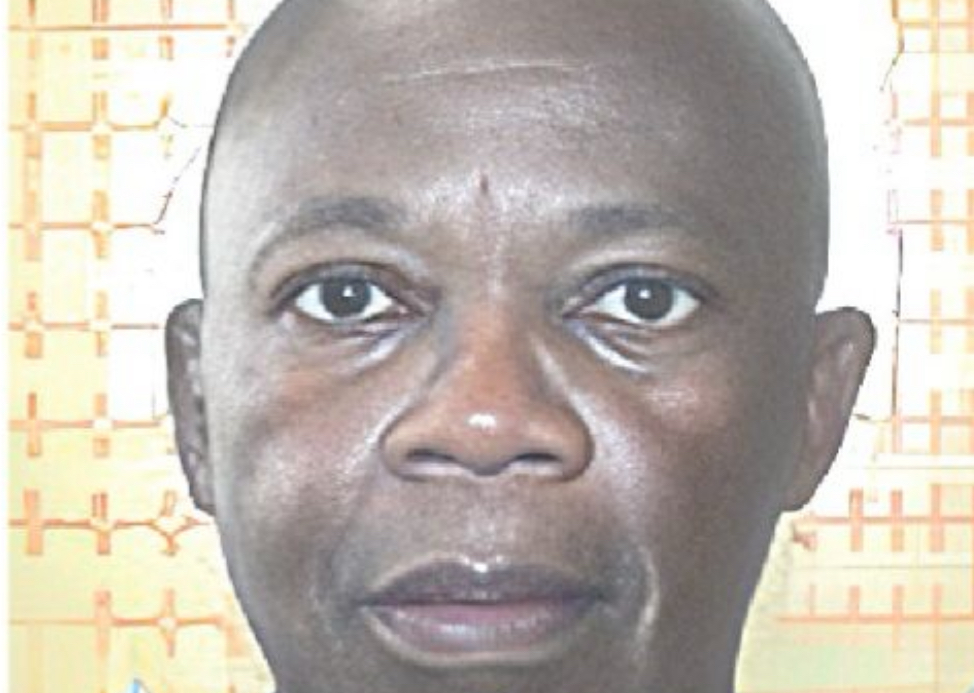
Education and Training Minister Owen Nxumalo has been exposed allegedly abusing royal authority by invoking the name of Indlovukazi Queen Ntombi Tfwala in an attempt to force the Eswatini Christian Medical University (EMCU) Board to re-employ an 80-year-old former University of Eswatini registrar as Executive Director.
The explosive revelations are contained in a leaked audio recording in which the Minister is heard speaking to a member of the EMCU Board. In the recording, Nxumalo claims there is a “royal command” instructing the Board to re-employ Samuel S. Vilakati as Executive Director of the state-owned institution. He further insists that the Board Chairperson must seek an audience with Indlovukazi Queen Ntombi Tfwala to verify the alleged instruction.
“There’s a royal command and the Chairman of the Board must seek an audience with Indlovukazi to confirm,” the Minister is heard saying in the leaked audio. The recording has since sent shockwaves across the education sector, exposing how royal names are allegedly weaponised to override governance processes.
Samuel S. Vilakati, a former registrar at the University of Eswatini, had previously sought renewal of his contract but was rejected by the Public Enterprise Unit (PEU). Following that rejection, Vilakati is alleged to have lobbied senior royal insiders, including Queen Ntombi’s right-hand man Mavovo Mkhonto, in a bid to secure his return through royal influence rather than merit or due process.
Vilakati’s attempted comeback has alarmed many within the university community. During his previous tenure as Executive Director, millions of emalangeni in public funds allegedly disappeared at the institution. The current EMCU Board, which is credited with rescuing the university from financial collapse by introducing strict monitoring and accountability systems, reportedly rejected his return precisely because of these unresolved financial concerns.
Despite this, Minister Nxumalo allegedly pushed aggressively for Vilakati’s reappointment, bypassing governance structures and invoking the authority of Indlovukazi. Critics argue that this reflects a dangerous culture where ministers act not as public servants, but as royal enforcers undermining institutional independence.
When contacted for comment, Nxumalo did not answer his phone. Efforts to reach Samuel S. Vilakati were also unsuccessful at the time of compiling this report. The silence has only intensified suspicions surrounding the alleged interference.
In a related development, the Education Minister is also accused of claiming that he has a “royal command” to convert a Bahai school into a private institution. Once again, he reportedly insisted that the EMCU Board Chairperson must confirm the instruction directly with Indlovukazi Queen Ntombi Tfwala. Observers say this pattern suggests a systematic misuse of royal authority to push controversial decisions without accountability.
This Swaziland News is now conducting a vigorous investigation to establish whether such a royal command truly exists. If confirmed, the motive behind the alleged instruction will form a central part of the investigation. If no such command exists, then the Minister’s conduct may amount to gross abuse of office and misrepresentation of royal authority.
The revelations come against the backdrop of Minister Nxumalo’s recent remarks to Prime Minister Russell Mmiso Dlamini, where he reportedly dismissed the Prime Minister as “a mere Chairman of Cabinet,” asserting that real power lies solely with King Mswati III, who rules alongside his mother Queen Ntombi Tfwala.
For many emaSwati, the EMCU scandal once again exposes how absolute monarchy corrodes governance. When ministers invoke royal names to override boards, resurrect discredited officials, and intimidate institutions, public accountability collapses.
The unfolding investigation is expected to further test the credibility of the education sector and raise serious questions about who truly governs Eswatini: the law, or those who claim to speak for the throne.