IT IS EASY FOR MSWATI TO SPEAK OF PROSPERITY FROM A PALACE OF ABUNDANCE
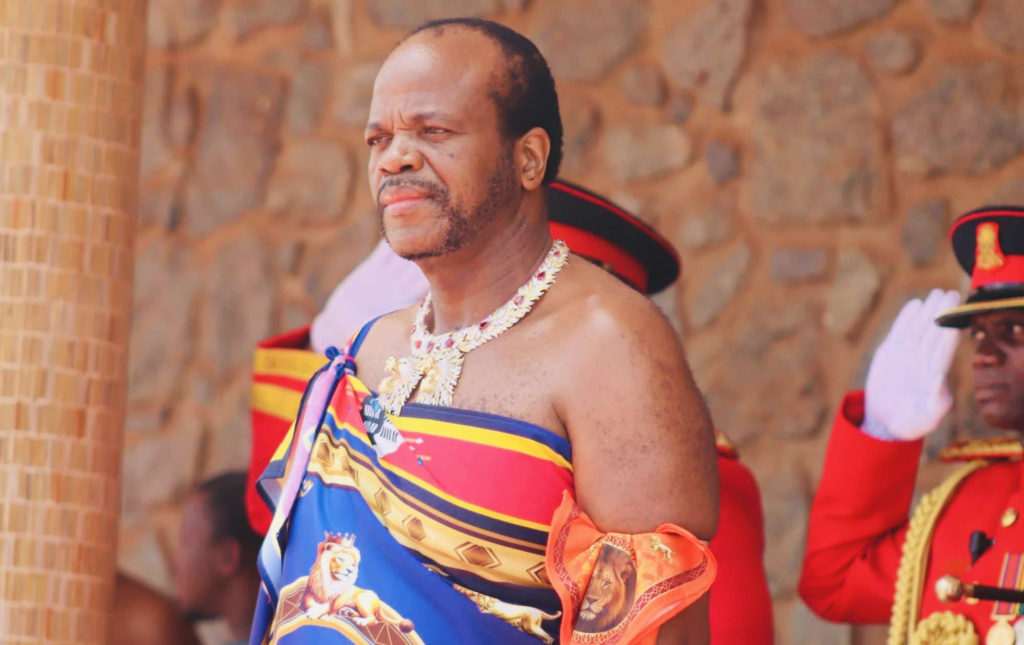
King Mswati III stood before Parliament in Lobamba and urged government to improve the standard of living in Eswatini. Delivering the Speech from the Throne, he applauded Gross Domestic Product growth over the past forty years and declared that the country must not rest until GDP per capita rises from E78,238 to E480,000, aligning with what he calls a “First World vision.”
On paper, those numbers sound impressive. In reality, they ring hollow.
King Mswati III speaks of improved living standards from a place of abundance, surrounded by luxury residences, fleets of vehicles, and state-funded privilege. It is easy to talk about hunger, unemployment, and poverty when one does not experience them. It is easy to preach patience to citizens who struggle daily to afford electricity, transport, food, and school fees while royal spending continues uninterrupted.
The King says government must work harder. But who appoints that government? Who concentrates executive authority in his own hands? Who presides over an absolute monarchy where political parties are banned and policy is shaped without meaningful public participation? The distance between royal speeches and the lived reality of emaSwati grows wider each year.
Eswatini’s GDP may have grown over four decades, but growth statistics do not feed families. GDP per capita does not guarantee medicine in public hospitals. It does not ensure youth employment. It does not lower food prices. For thousands of young people with degrees and no jobs, for pensioners who queue at under-resourced clinics, and for rural families relying on subsistence farming, economic figures are abstract and meaningless.
The King’s vision of raising GDP per capita to E480,000 suggests ambition. But ambition without structural reform is fantasy. Wealth in Eswatini remains concentrated among political elites and royal-linked interests. Transparency in public finances is limited. Corruption allegations surface regularly. Meanwhile, ordinary citizens are told to endure hardship in the name of long-term prosperity.
True development is not measured by speeches in Parliament. It is measured by whether children have access to quality education, whether mothers give birth safely in equipped hospitals, whether young graduates find dignified work, and whether citizens can criticise leadership without fear of arrest. In an absolute monarchy, economic progress cannot be separated from political reform.
The King calls for improved living standards, yet the political system restricts accountability. If government fails, citizens cannot vote it out through party-based elections. If policy misfires, there is no open democratic contest to correct it. Power remains centralised, and responsibility is diffused.
It is not enough to say “we should not rest.” The question is who has been resting comfortably all along. When the majority of citizens live below or near the poverty line while the monarchy maintains vast resources, calls for shared sacrifice sound detached from reality.
The First World vision will not be achieved through royal declarations. It will require transparent budgeting, genuine anti-corruption measures, investment in productive sectors, support for small businesses, and above all, political inclusion. Development without democracy risks becoming development for a few.
If the King truly wants improved living standards, he must start by confronting the structural inequalities embedded in the system he leads. Otherwise, speeches about prosperity will continue to echo in Parliament halls while ordinary emaSwati struggle in silence.
It is easy to speak about hunger from a palace. It is much harder to dismantle the system that keeps so many people hungry.