US COURTS ESWATINI FOR INVESTMENT AS MONARCHY SEEKS SURVIVAL, NOT DEMOCRACY
The United States Department of Commerce has released a report encouraging American companies to invest in the tiny Southern African Kingdom of Eswatini, describing it as an export-driven economy with friendly business policies. But beneath the polished language of trade and opportunity lies a far more uncomfortable truth: Eswatini remains an absolute monarchy where political power is centralized, dissent is criminalized, and accountability is almost nonexistent.
The report, dated 9 February 2026, positions Eswatini as a strategic partner at a time of rising diplomatic tension between the United States and South Africa. That tension intensified after President Cyril Ramaphosa took Israel to the International Court of Justice, accusing it of war crimes against Palestinians. With Washington firmly backing Israel, regional politics have shifted, and Eswatini is now being framed as a stable and cooperative ally in contrast to Pretoria’s independent foreign policy stance.
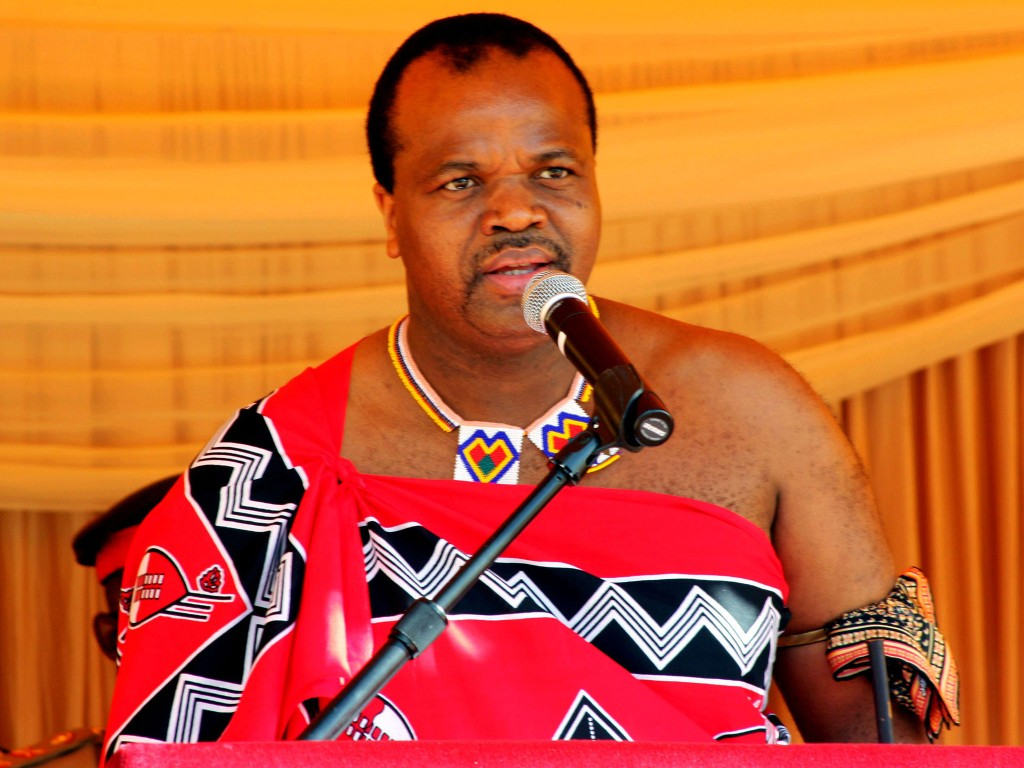
The US report praises Eswatini as a strong entry point for duty-free access to regional trade blocs such as SACU, SADC, COMESA, and AfCFTA. It highlights infrastructure, market access, and a so-called business-friendly environment. But what the report does not mention is that Eswatini is ruled by King Mswati III, who holds absolute executive authority, appoints the Prime Minister, influences the judiciary, and oversees a political system where parties are banned from contesting elections.
Foreign investors may see opportunity, but ordinary emaSwati live under a system where economic decisions are often opaque and heavily influenced by royal interests. Large projects frequently benefit those close to the throne while unemployment and poverty remain widespread. Around seventy percent of the population lives below the poverty line. For many citizens, promises of multibillion investments have become routine political slogans that rarely translate into meaningful change.
The US Department of Commerce encouraged American firms to partner with local businesspeople when establishing companies in the Kingdom. It advised investors to secure reputable local partners who understand the procedures required to operate in Eswatini. In reality, navigating business in the Kingdom often means navigating royal networks, patronage systems, and politically connected elites. Without transparency and democratic oversight, foreign investment risks entrenching inequality rather than alleviating it.
King Mswati recently used his Speech from the Throne to urge government to facilitate multibillion projects and grow the economy, declaring that the country should not rest until emaSwati enjoy a better life. Yet those words ring hollow in a nation where activists are jailed, journalists are harassed, and pro-democracy Members of Parliament have been imprisoned for demanding reforms. Economic growth cannot substitute for political freedom.
The monarchy’s embrace of US investment appears less about empowering citizens and more about securing international legitimacy. At a time when regional politics are shifting, aligning with Washington offers the King diplomatic protection and economic backing. But development that is not rooted in democratic accountability remains fragile and uneven.
Eswatini may indeed offer trade advantages and strategic positioning, but it also carries the risks of an authoritarian system resistant to reform. Investors may be welcomed with open arms, but citizens still wait for genuine political participation and social justice.
If foreign capital flows into the Kingdom without demanding transparency, rule of law, and human rights protections, it will merely strengthen the monarchy while leaving the majority behind. True stability does not come from royal decrees or international endorsements. It comes from accountable governance, democratic participation, and respect for human dignity—values that Eswatini’s monarchy has consistently failed to deliver.