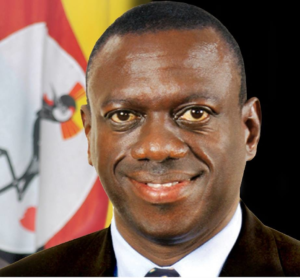
UN CONDEMNS CONVICTION OF PRO-DEMOCRACY MPS AS KING MSWATI DEFIES RELEASE ORDER

The ruling delivered by the United Nations Human Rights Council Working Group has contextually condemned the conviction of pro-democracy Members of Parliament Mduduzi Bacede Mabuza and Mthandeni Dube, while directing the eSwatini Government to release them within six months from the date of the ruling.
The ruling, dated 15 October 2025, followed an investigation into the arrest, detention, prosecution, and conviction of the two MPs and concluded that their imprisonment was arbitrary and inconsistent with international human rights standards. The UN body made it clear that the MPs were targeted for the peaceful exercise of their political rights.
However, despite this clear directive, King Mswati III has released only one MP, Mthandeni Dube, and only after coercing him to apologise through Justice and Constitutional Affairs Minister Prince Simelane. Even more troubling, efforts are now reportedly underway by King Mswati’s son, appointed MP Prince Lindani, to pressure MP Mduduzi Bacede Mabuza to apologise in exchange for his freedom.
This selective compliance exposes the monarchy’s contempt for international law. The UN ruling did not ask for apologies. It ordered the unconditional release of both MPs. By turning freedom into a transactional reward for humiliation, the King is openly defying the spirit and substance of the UN directive.
Bacede Mabuza and Mthandeni Dube were arrested and charged under draconian laws merely for demanding democratic reforms in Eswatini, a country ruled by absolute monarchy where political parties are banned. The charges included terrorism, sedition, subversive activities, and even murder, all widely condemned as fabricated and politically motivated.
In its ruling, the UN Working Group detailed the events leading to the arrests. On 25 July 2021, about 20 police officers arrested Dube at his home under the Suppression of Terrorism Act of 2008. A similar number of officers arrested Mabuza the same day after barricading the gate to his office and threatening to shoot him unless he surrendered. Mabuza was initially charged under COVID-19 regulations for allegedly failing to keep a register and ensure sanitisation at a meeting he convened.
The UN noted that on 26 July 2021, both MPs were charged with inciting revolt against the state, accusations linked to nationwide protests that resulted in deaths and destruction. Yet no evidence was produced showing either MP participated in or directed violence.
The ruling further condemned the conduct of the eSwatini High Court. In August 2021, the court dismissed the MPs’ first bail application, claiming they were a flight risk and could interfere with witnesses. On 14 September 2021, the court dismissed a second bail application on technical grounds, refusing to consider new facts and changed circumstances.
On 15 October 2021, prosecutors escalated the matter by filing an amended indictment under the Suppression of Terrorism Act and the Sedition and Subversive Activities Act of 1938. The MPs were accused of making statements rejecting the Prime Minister’s appointment and encouraging disobedience. They were also charged with murder for two deaths that occurred during protests when a vehicle drove into a crowd. The UN noted that neither Dube nor Mabuza were anywhere near the scene, and to date, the driver of the vehicle has not been charged.
The conviction was handed down by Judge Mumcy Dlamini, who is married to Supreme Court Judge Majahenkhaba Dlamini, King Mswati’s brother from the Nkhaba Royal Kraal. This relationship has fuelled widespread allegations of judicial bias and political interference, with claims that the order to convict the MPs came directly from the King.
The UN ruling has now placed Eswatini under international scrutiny. By releasing only one MP under humiliating conditions and keeping the other imprisoned, the monarchy has made it clear that it does not recognise the authority of international human rights mechanisms.
As the six-month deadline approaches, the continued detention of Bacede Mabuza has become a test case for the credibility of the UN system and the resolve of the international community. What is clear to emaSwati is that justice in Eswatini remains subject to royal approval, not the rule of law.