ATTORNEY GENERAL DEFENDS MP LUSHABA AS JUDICIARY THREATENS ARREST
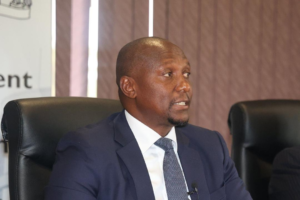
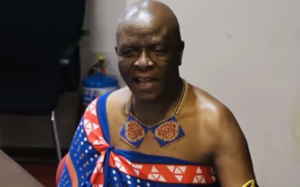
Attorney General Sifiso “Mashampu” Khumalo has publicly defended Hhukwini Member of Parliament Alec Lushaba, stating that the MP cannot be arrested merely for doing his constitutional duty of holding the Executive accountable. The statement comes amid growing tension between Parliament and the Judiciary after Lushaba openly criticised the conduct of Chief Justice Bheki Maphalala.
Speaking in Parliament on Friday, the Attorney General made it clear that MPs have both the authority and responsibility to scrutinise the performance of state institutions. “It’s the constitutional mandate of Parliament, Mr Speaker, to hold the Executive accountable, so the MP was within his duties,” said Khumalo. His remarks were widely seen as a rare moment of clarity in a system where institutions are often weaponised to silence criticism.
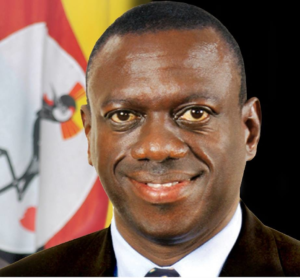
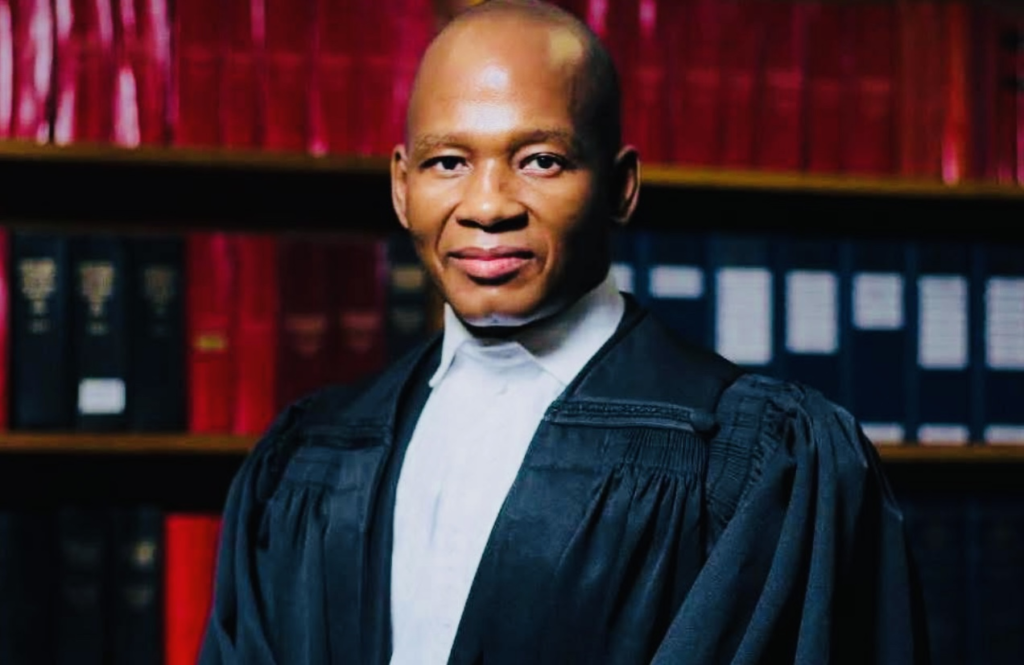
The controversy erupted during parliamentary debates on the performance report of the Ministry of Justice and Constitutional Affairs. During the session, Lushaba launched a scathing attack on the Judiciary, accusing Chief Justice Bheki Maphalala of incubating corruption and frustrating the operations of the Anti-Corruption Commission. He questioned how corruption cases could ever succeed when the head of the Judiciary himself was repeatedly accused of undermining accountability.
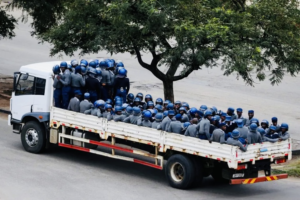
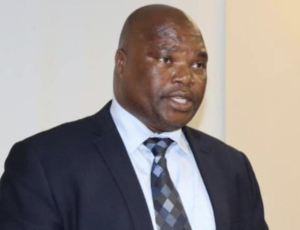
Instead of responding to the substance of the allegations, Chief Justice Bheki Maphalala reportedly threatened the MP with arrest, claiming that the criticism amounted to contempt of court. The threat sparked outrage among lawmakers and civil society, who see it as an attempt to intimidate Parliament and shield the Judiciary from scrutiny.
The Attorney General’s intervention has now exposed a deeper constitutional crisis in Eswatini. In a functional democracy, judicial independence does not mean immunity from criticism, especially when allegations of corruption are raised by elected representatives. Yet under the absolute monarchy, criticism of powerful figures is often criminalised and reframed as an attack on the state.
MP Lushaba’s comments touched a nerve because they challenged a long-standing culture of impunity within the Judiciary. Chief Justice Maphalala has previously been linked to corruption scandals, including allegations of abusing public funds and interfering with anti-corruption investigations. Despite these claims, no meaningful accountability has followed, reinforcing perceptions that senior officials are above the law.
By threatening arrest, the Chief Justice sent a dangerous message: that Parliament may debate budgets and policies, but must remain silent when the Judiciary is questioned. This position directly contradicts the principle of separation of powers, which requires mutual oversight between branches of government.
Attorney General Khumalo’s statement implicitly rejected this intimidation. By affirming Parliament’s oversight role, he reminded the country that MPs are not subjects of the Judiciary, but representatives of the people. Arresting an MP for speech made in Parliament would not only be unconstitutional, but would mark a full collapse of legislative independence.
The incident has also revived debate about whether Eswatini’s Judiciary still serves justice or functions primarily as a shield for the monarchy and its allies. When judges threaten lawmakers instead of answering allegations, public confidence in the courts erodes rapidly.
For many emaSwati, this confrontation confirms a painful truth: accountability in Eswatini is selective. While ordinary citizens are swiftly arrested for minor offences, those in powerful positions respond to criticism with threats and intimidation.
MP Alec Lushaba’s stance has now turned into a test case for parliamentary freedom. If he is punished for speaking out, it will signal the end of meaningful debate in Parliament. If he is protected, it may open a small but important space for truth-telling in a system built on silence.
As the struggle between Parliament and the Judiciary unfolds, one thing is clear. Demanding accountability is not a crime. And in a country desperate for justice, silencing elected representatives will only deepen the crisis rather than resolve it.