UN DEADLINE FORCES REGIME’S HAND AS BACEDE MABUZA’S RELEASE DOMINATES POWER CORRIDORS

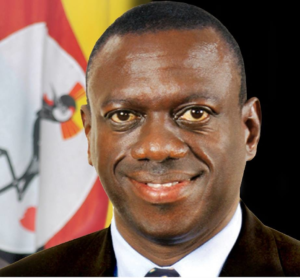
The release of convicted pro-democracy Member of Parliament Mduduzi Bacede Mabuza has become the most sensitive and urgent issue within Eswatini’s corridors of power following a firm directive from the United Nations Human Rights Council Working Group. The UN body has urged the government to immediately release Mabuza or do so within six months, a deadline that is rapidly approaching and placing unprecedented pressure on King Mswati’s regime.
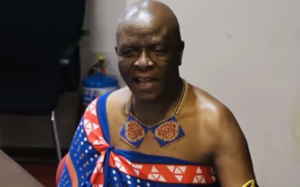
The United Nations Human Rights Council Working Group is mandated to investigate cases of arbitrary detention that violate international human rights standards as set out in the Universal Declaration of Human Rights and other international legal instruments. After examining the politically motivated convictions of MPs Mduduzi Bacede Mabuza and Mthandeni Dube, the Working Group concluded that their detention was unlawful and communicated its ruling to the eSwatini Government on 15 October 2025.
Instead of complying fully with the ruling, the regime responded with manipulation. Following receipt of the UN directive, King Mswati released MP Mthandeni Dube, but only after coercing him into apologising to the King through Justice Minister Prince Simelane. This calculated move was designed to create the illusion of cooperation while leaving the core issue unresolved. MP Mduduzi Bacede Mabuza remains behind bars at Matsapha Prison for crimes he never committed.
Eswatini remains an absolute monarchy where political parties are banned and dissent is criminalised. Mabuza and Dube were arrested merely for demanding democratic reforms and charged with terrorism, murder, and other fabricated offences. Their prosecution was never about justice but about silencing elected representatives who dared to challenge royal power.
The UN Working Group was explicit in its ruling. It gave the government six months from 15 October 2025 to release both MPs and warned that failure to comply would result in the matter being escalated to higher structures within the United Nations. With Dube already released, attention has now turned squarely to Mabuza, whose continued imprisonment exposes the regime’s defiance of international law.
Behind the scenes, panic appears to be setting in. As previously reported by this Swaziland News, King Mswati’s son, appointed MP Prince Lindani, allegedly dispatched sitting MPs to pressure Mabuza into apologising to the King in exchange for his freedom. This desperate attempt to extract an apology reveals a regime scrambling to avoid international embarrassment before the UN deadline expires.
But Mabuza’s refusal to apologise has become an act of political defiance. An apology would legitimise his unlawful conviction and validate the monarchy’s narrative that demanding democracy is a crime. Human rights organisations argue that no apology should be required because no offence was committed.
The UN Working Group made it clear that it reserves the right to take further action if Eswatini fails to implement its recommendations. The ruling states that the Working Group may inform the Human Rights Council of any failure to act and has urged the government to cooperate fully, including requesting technical assistance if needed. This language signals that Eswatini’s continued defiance will not go unnoticed.
When contacted for comment regarding meetings allegedly held to discuss Mabuza’s release, Correctional Services Commissioner General Phindile Dlamini declined to respond. Her silence mirrors the broader culture of secrecy and unaccountability that defines the monarchy’s response to criticism.
Mabuza is now the only remaining MP imprisoned for demanding democracy in Eswatini. His detention has become a global symbol of royal repression and the criminalisation of peaceful political expression. As the UN deadline looms, the question is no longer whether the regime will release him, but whether it will do so willingly or be forced under international pressure.
If King Mswati continues to defy the United Nations, he will further isolate Eswatini and confirm what emaSwati and the world already know: that justice under an absolute monarchy is selective, conditional, and subordinate to royal ego. The unconditional release of Mduduzi Bacede Mabuza is no longer a request. It is an international obligation the regime can no longer escape.